Select your language
Select your language

On December 23, 2023, a significant shift in Turkey's chemical regulatory landscape unfolded as the Ministry of Environment, Urbanization, and Climate Change introduced a series of amendments to the "Kimyasalların Kaydı, Değerlendirilmesi, İzni ve Kısıtlanması" (KKDIK) regulation. Published in the Official Gazette under the number 32408, these changes mark a substantial evolution in the framework governing the registration, evaluation, authorization, and restriction of chemicals in the country.

Last November 3, 2023, the Minister of Transport, Pablo Rodriguez, unveiled an groundbreaking initiative aimed at bolstering public safety and security concerning the transportation of dangerous goods within Canada.
The revisions to the Regulations Amending the Transportation of Dangerous Goods Regulations (Site Registration Requirements) came into force after publication in the Canada Gazette, Part II on October 25, 2023. These amendments, establish that individuals or organizations involved in importing, offering for transport, handling, or transporting dangerous goods must register in the newly established Client Identification Database. This comprehensive online platform collects crucial information about the entities engaged in these activities, providing Transport Canada with up-to-date, accurate, and complete data.
In today's dynamic business landscape, corporate social responsibility (CSR) has become more than just a buzzword; it's a crucial aspect of a company's identity and impact on society.
One standout example of a socially responsible company is SIAM USA LLC, a global entity committed to making a positive difference in the world. SIAM USA LLC has not only achieved excellence in its industry but has also dedicated itself to various social causes, collaborating with non-governmental organizations (NGOs) around the globe. Let's delve into how SIAM USA LLC is making waves through its partnership with Colonias Felinas de Logroño, Un Granito de Arena, and Fundacion Niños de los Andes.
Health Canada's Workplace Hazardous Materials Bureau has recently released comprehensive and updated guidelines pertaining to the supplier requirements within the Workplace Hazardous Materials Information System (WHMIS).
This regulatory framework plays a crucial role in ensuring the safety and well-being of individuals in workplace environments where hazardous materials are present.
In a move towards standardizing the classification, labeling, and safety documentation of chemical products, Brazil has adopted the 7th revised edition of the United Nations' Globally Harmonized System of Classification and Labeling of Chemicals (GHS).
This update will be effective on July 4th, 2025 and brings changes in the way hazardous materials are handled, labeled, and communicated to users and regulators.
In a significant development for the vaping industry in the Netherlands, the anticipated ban on flavored e-cigarettes is finally set to come into force on January 1st, 2024. This decision comes after a series of delays and extensive considerations regarding its implications on both the industry and public health.
This article aims to provide valuable insights to safety professionals in the chemical industry regarding toxic chemicals, Proposition 65 warnings, and their implications for health. Proposition 65 warnings play a significant role in chemical safety, and it is crucial for professionals to be aware of their impact to ensure compliance and reduce exposure to harmful substances. Additionally, it is worth mentioning that CHEMETER, the leading SDS authoring software, takes into consideration Proposition 65 warnings to further enhance chemical safety practices.
In a move aimed at curbing plastic pollution, the European Union (EU) has rolled out new legislation, Commission Regulation (EU) 2023/2055, to regulate synthetic polymer microparticles, commonly known as microplastics.
This progressive regulation, effective from October 17, 2023, falls under Annex XVII of REACH (Registration, Evaluation, Authorization, and Restriction of Chemicals), marking a significant milestone in the battle against plastic pollution.
Time has come for importers and downstream users of industrial use only mixtures to update their poison center notifications to fully comply with the harmonized information requirements outlined in Annex VIII to the CLP Regulation. Next January 1, 2024, the second poison center compliance phase comes into force, and it is essential for companies to fully understand the changes, requirements and implications that it implies.
The European Commission has taken a significant step in safeguarding public health and environmental well-being by adopting a new regulation.
On July 14, 2023, the Commission approved Regulation (EU) 2023/1464, which amends Annex XVII to Regulation (EC) No 1907/2006. The focus of this regulation is to address the risks posed by formaldehyde and formaldehyde releasers , which have been identified as highly reactive gases with potential health hazards.

Although the Canadian government prohibited the manufacture, use, sale and import of three subgroups of per- and polyfluoroalkyl substances (PFAS1) (PFOS, PFOA and long-chain PFCAs) in 2012, the latest scientific evidence and the regulatory measures from other jurisdictions made the Canadian authorities to look for further evidence about PFAs’ long lasting effects on human health and the environment.
The aim of this investigation is to “address the danger of broad class PFAS because there is scientific evidence indicating PFAS used to replace regulated PFOS, PFOA, and long-chain PFCAs may also be associated with environmental and/or human health effects”, as explained in the Canada Gazette in April 2021.
The Canadian Ministry of Health published on January 4, 2023 in the Canada Gazette, the nation's official newspaper, the amendments to its Hazardous Products Regulation - HPR, with the aim of aligning it with the seventh revised version of the Globally Harmonized System of Classification and Labeling of chemical products - GHS.
Understanding regulatory requirements in countries that have adopted GHS

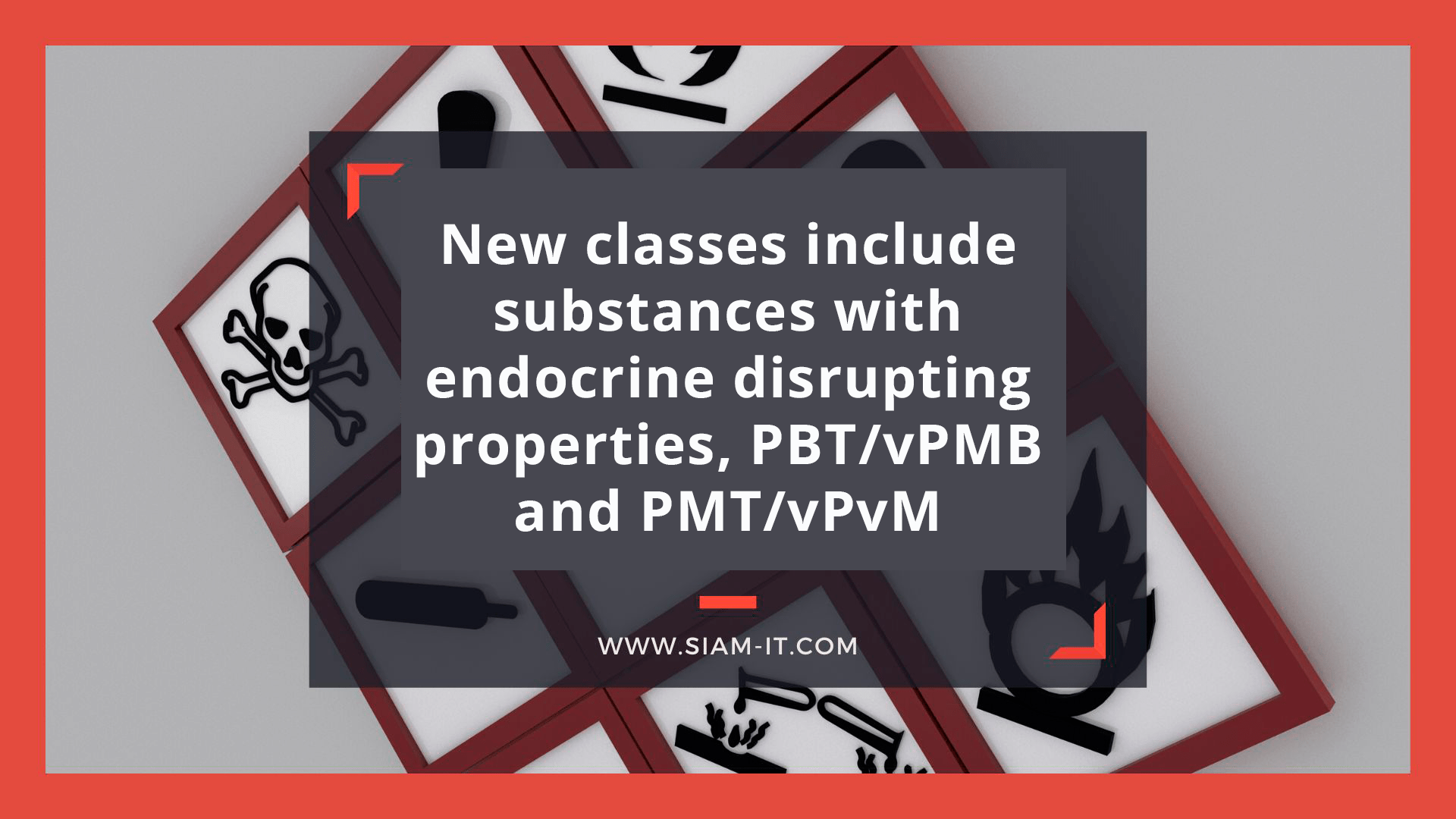
On March 31st, 2023, the European Union's Classification, Labelling and Packaging Regulation (CLP) underwent a significant amendment with the issuance of the delegated regulation EU 2023/707.
The purpose of this amendment is to add new hazard classes and criteria to address toxicity, persistence, mobility, and bioaccumulation in the environment, as well as endocrine disruption properties.
Extended Producer Responsibility (ERP) is a principle that establishes that producers are responsible for the treatment of their products at the end of their useful life and for the waste they generate. In other words, producers must take the necessary measures to guarantee that their products are properly and responsibly recycled and/or disposed.
This principle, which has been adopted by many countries and has become a key element of waste management policies around the world, has led to a new waste management regulatory framework in the UK, which articulated a new ERP that entered into force on January 1, 2023.
The European Union (EU) has recently introduced a new restriction under the Registration, Evaluation, Authorisation and Restriction of Chemicals (REACH) regulation for diisocyanates, which will come into effect on 24 August 2023 after a three-year transition period.The new restriction introduces minimum training requirements for workers handling diisocyanates and mixtures containing diisocyanates. The goal is to enhance and harmonize the level of protection of workers using diisocyanates across the EU.
The Decree 82/2022/ND-CP, which came into force last December 2022, updates the existing Decree 113/2017/ND-CP and introduces several amendments to guide the implementation of the Law on Chemicals. Thus, the Decree 82/2022/ND-CP aims to align Vietnamese chemical safety requirements to UN GHS Rev.2 (2007).
When Brexit happened 3 years ago, it affected the chemical regulation relationships between UK and the rest of Europe.
Thus, the CLP Regulation was transposed into UK law after Brexit. Importantly, adaptation of the CLP Regulation to UK territory has led to differences in hazard classification, labeling, and communication between the EU and the UK.
The objectives of the CLP Regulation are to ensure a high level of protection of human health and the environment, and the free movement of substances, mixtures and certain articles.
These objectives are fulfilled, inter alia, by establishing new hazard classes and their criteria for classification of substances and mixtures at EU level to adapt the regulation to technical and scientific progress.
The Japan Chemical Industry Association (JCIA) has published a guidance to help companies to meet new SDS and labeling requirements under the revised ISHL.
Although it's not an official document, it is considered “a high reference” because it was prepared in close collaboration with the Ministry of Health, Labour and Welfare ( MHLW ).
Among the objectives of the CLP Regulation are (i) to ensure a high level of protection of human health and the environment and (ii) the free movement of substances, mixtures and certain articles.
In order to do so, new hazard classes and their criteria for classification are introduced regularly, bringing EU Chemical Legislation into line with technical and scientific progress.

In order to provide clarity, the European Commission has this time decided to publish in a single act/document the new list of harmonized measures on devices and protection systems in potentially explosive environments.
Commission Implemented Decision (EU) 2022/1668 of 28 September 2022 establishes new harmonized standards for equipment and protective systems intended for use in potentially explosive atmosphere under Directive 2014/34/EU of the EU Parliament and of the Council on the Equipment for Explosive Atmospheres (ATEX Regulation).

Regulation (EU) 2020/878, which modifies Annex II of the REACH Regulation and establishes new requirements for the safety data sheets of chemical products in the European Union, has been in effect for the last two years. It came into force on January 1, 2021, and since then there are many of you who are already making changes required by the new regulations in your SDS , which include:
The decree No. 2022-748 introduces a new consumer information system on the environmental impact of products during the act of purchase.
In 2020, France approved its "Anti-Waste and Circular Economy Law " - AGEC for its acronym in French, whose main objective is "to create a more sustainable consumption model", and which is articulated around five measures which will be progressively implemented in the coming years:
The list has recently added a new entry, N-(hydroxymethyl) acrylamide, due to its carcinogenic and mutagenic properties.
The Candidate List of Substances of Very High Concern - SVHC contains a list of chemicals that are considered harmful to the environment and to human health. These substances may be eventually placed on the Authorisation List and, therefore, its use would be prohibited unless companies apply for authorisation.
The EU Commission clarify the definition of nanomaterials in the new Commission Recommendation of 10.06.2022 to support a “coherent EU regulatory framework for nanomaterials”.
And the fact is that, although their peculiar physicochemical properties make them a powerful source of innovation, their use can increase the toxicity of the products, or even require a more complex protocol to guarantee their safe use.

The latest RAC´s opinion recommends keeping the existing classification for glyphosate as a substance that causes serious eye damage and is toxic to aquatic life with long-lasting effects.
Just a year ago, the ECHA Committee for Risk Assessmentstarted a process to review the current harmonized classification and labelling proposal of Glyphosate. The revision was triggered by a 2019 - application issued by the Glyphosate Renewal Group - GRG
On April 4, the government agency Enterprise Singapore, which promotes the business development of the Asian country, published a revision proposal for the Singapore Standard (SS) 586, which regulates the communication and registration of hazardous chemicals, with the aim of adapting it to the seventh revised edition of the GHS.
The proposed changes to SS 586 includes:
The Delegated Regulation (EU) 2022/692 was published in the Official Journal of the European Union on 3 May 2022 and will be applied from 23 November 2023.
The latest amendment to del CLP Regulation, that guarantees its adaptation to technical and scientific progress, came into force last 23 May, 2022, but it establishes a grace period for its application, scheduled for the end of 2023, so that companies have enough time to adapt to the new regulatory requirements.
Among the MAIN NOVELTIES established by the directive are:
The ECHA has announced upcoming changes to certain REACH information requirements that will start applying from 14 October, 2022
The update of the REACH annexes, published in the Commission Regulation (EU) 2022/477 of 24 Mars, 2022, aims to overcome two needs detected by the Reach Evaluation Joint Action Plan back in 2019:
The ECHA´s Group Assessment of Bisphenols studied 148 compounds and recommended more than 30 bisphenols to be restricted due to their potential damage to human health and the environment.
The Group Assessment grouped together structurally similar substances based on the presence of the “bisphenol” moiety revising a total of 148 substances.

On November 2020, Korea's Ministry of Employment and Labor (MoEL) published major amendments to GHS Classification and MSDS requirements under the Notice No. 2020-130, which contains a major revision to the Standards for Classification and Labeling of Chemical Substances and Safety Data Sheets (MSDS), regulated originally in the MoEL Notice No. 2016-19, and formulated under the Occupational Safety and Health Act (K-OSHA).
The notice came into force last 1 January, 2021, but it stated a “grace period” for substances notified before then. If your industry is affected by the norm, it is time for you to verify if your MSDS fulfill all the new requirements. Let us explain the main changes introduced by Notice No. 2020-130.
SIAM has recently obtained the certification of its environmental management system according to the international standard ISO 14001:2015, which demonstrates the company's commitment to preserve the environment as much as possible.
The Candidate List of Substances of Very High Concern (SVHCs) now contains 223 entries identifying chemicals that are potentially harmful to human health and the environment.
You can consult the complete list here, but let us explain to you a little more about the 4 recently added substances, their characteristics, identification number and the reasons for their inclusion.

On December 2021, the ECHA updated the “PCN: a practical guide” to its version 5.0. A version which includes a step-by-step explanation of the new functionality for disable submitted notifications through the ECHA submission portal, which was introduced in IUCLID 6 (version 6.20.)
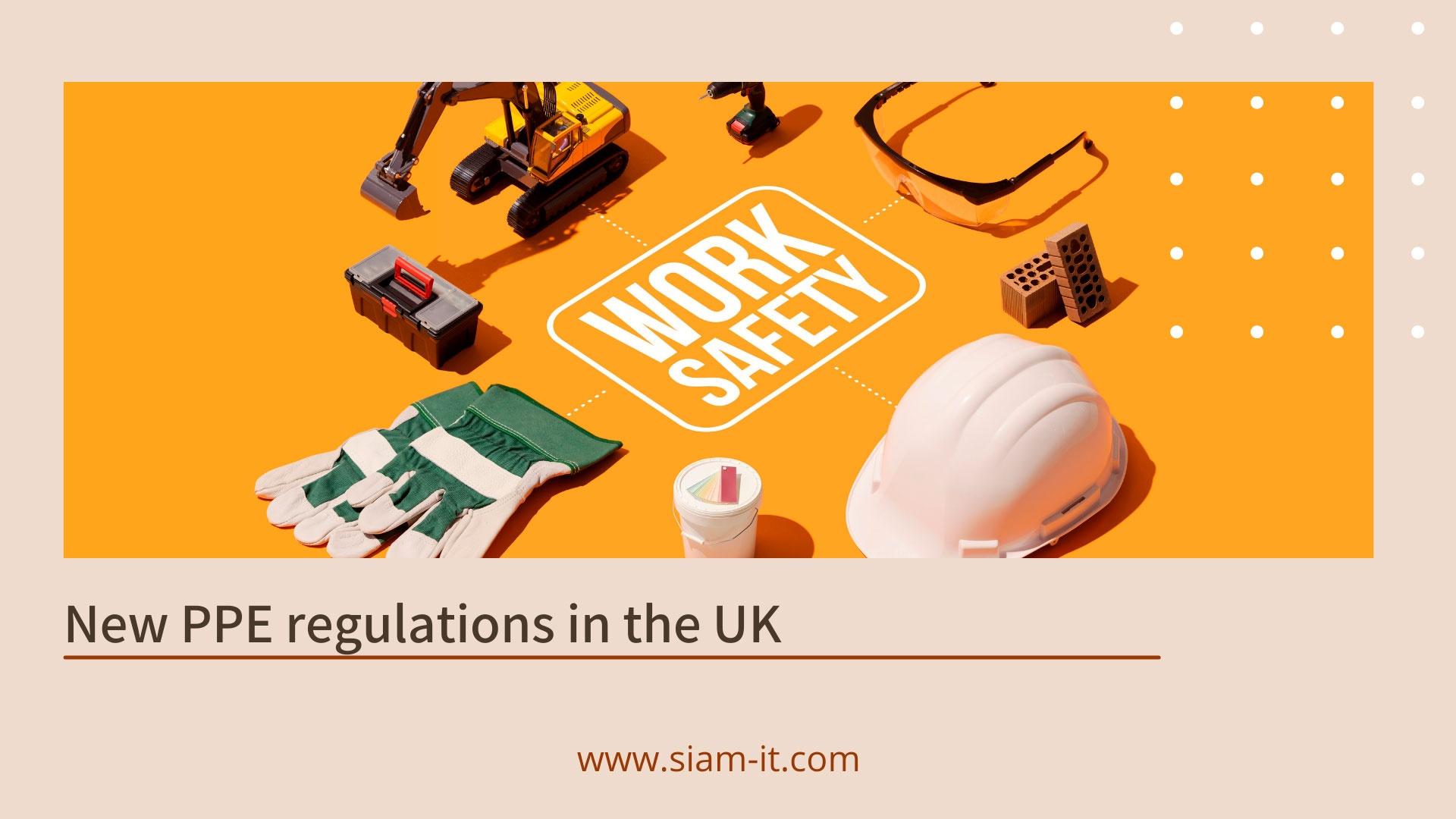
The UK´s Personal Protective Equipment at Work Regulation 1992 requires the employers to provide their employees with Personal Protective Equipment (PPE) to protect them from the risk of injury in the workplace.
PPEs are a last resort when risks associated with a professional activity cannot be prevented or controlled in any other ways, and they can include items such as safety helmets and hard hats, gloves, eye protection, high-visibility clothing, safety footwear and safety harnesses.

The latest report of the REF-8 project, which assesses compliance with the European regulations REACH, CLP and BPR, concludes that almost 80% of the online sales products inspected violated the legislation
The Compliance Information Exchange Forum (FORUM) of the European Chemicals Agency (ECHA) has just published the results of its eighth REACH-EN-FORCE (REF-8) project, which focused on analysing compliance with REACH, CLP and BPR regulations in products sold online.
A new study by the ECHA focuses on the European Union situation and developments in chemical recycling.
Chemical recycling, a process by which plastic polymers are chemically broken down to supply new products such as crude oil, naphtha or fuels, is used for processing various types of waste, including biomass, concrete and plastic waste. However, only a really small part of plastic waste has been recycled or incinerated, with the rest accumulating in landfills and becoming ubiquitous in the natural environment.
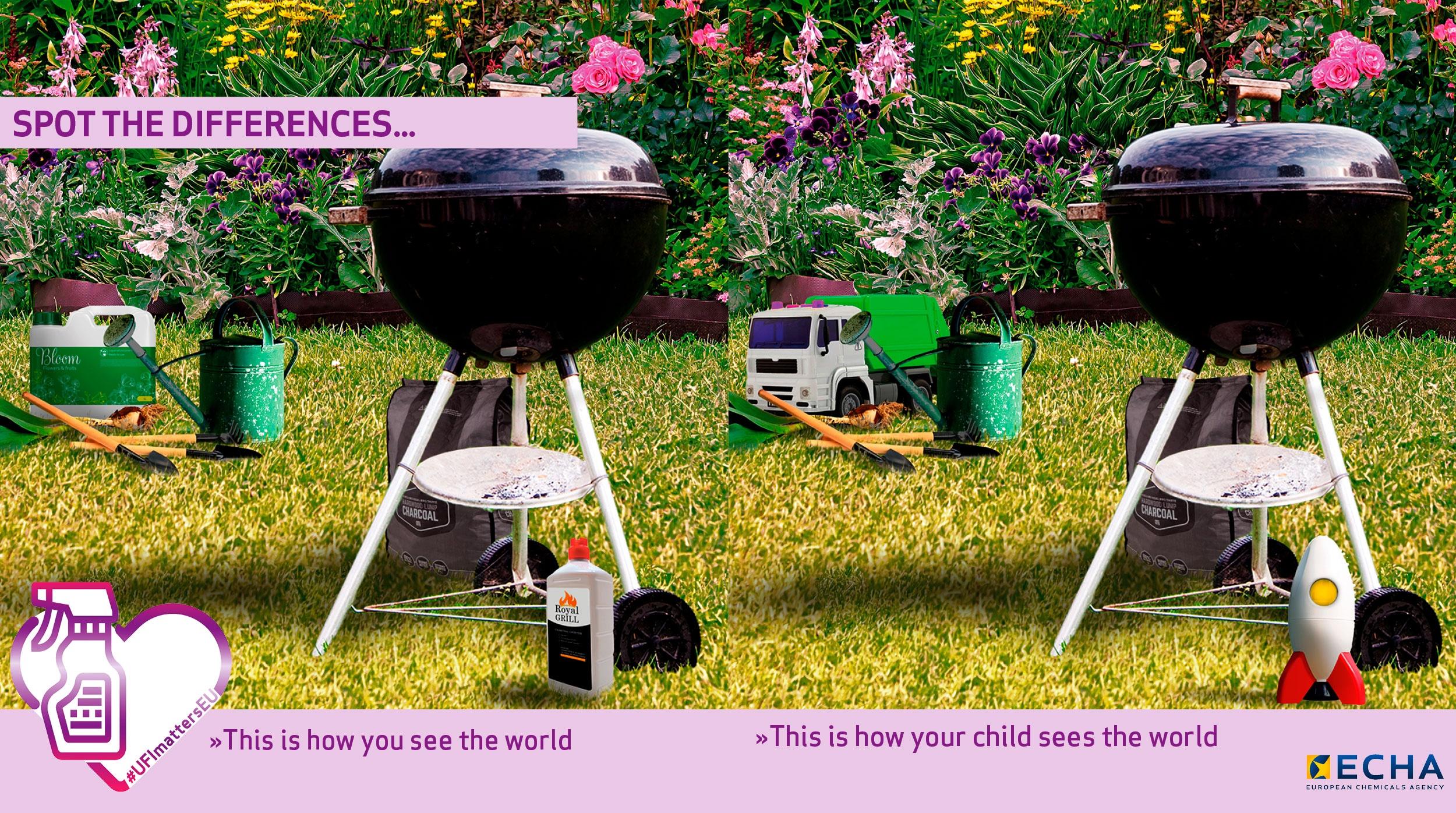
Last year, poison centers across Europe handled around 600,000 calls about accidental poisoning, and almost half of them reported incidents involving young children.
And is that, not being really aware of it, our homes are full of products that contain potential harmful chemicals: materials for crafts, cleaning products of common use, gardening supplies, etc.
As part of SIAM's strategic growth and diversification plan, we have acquired the ownership of "Laboratorios Almabe IDUQC", an independent laboratory founded in 2012 and located in the Murcia Science and Technology Park.
The European Chemicals Agency has been working in collaboration with de OECD, the European Commission's Joint Research Centre and other organisations from the United States and Canada to develop alternative methods to assess chemical hazards and to protect people from skin sensitisation while prompting non animal test methods.
The result of this collaboration is the Guideline on Defined Approaches for Skin Sensinitation, adopted on June 14, 2021.
The European Commission has published REGULATION (EU) 2021/1297 of 4 August 2021 amending Annex XVII to REACH restricting perfluorocarboxylic acids (PFCAs) containing 9 to 14 carbon atoms in the chain (C9-C14 PFCAs), their salts and substances from 23 February 2023 onwards, although some uses have been granted longer transition periods.
The decision responds to a restriction proposal submitted by German and Swedish authorities in 2017.
The classification and labelling requirements for titanium dioxide (TiO2) changed in February 2020 following Delegated Regulation (EU) 2020/2017, effective October 1, 2021. To help companies comply with the new regulations, the European Chemicals Agency has published a new guide about the classification, labelling and packaging of TiO2.
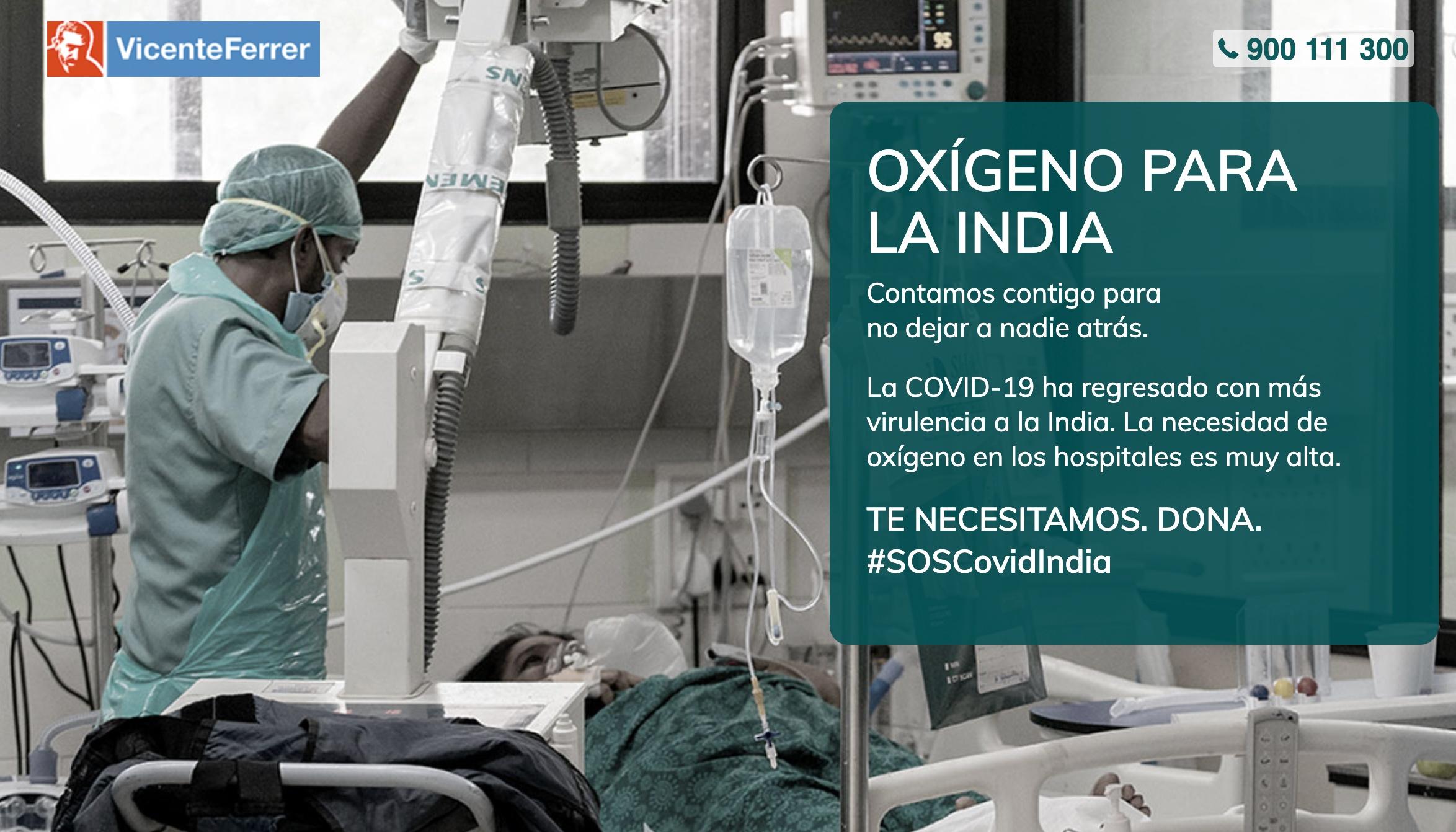
Since 1969, the Vicente Ferrer Foundation has been committed to the fight against poverty and the development of one of the most impoverished areas of India, the states of Andhra Pradesh and Telangana. They have developed actions to raise awareness of hygiene habits, to combat discrimination against women, to help migrants, to promote inclusive education, etc.
However, as it happened in the rest of the world, the public health emergency due to the coronavirus pandemic has been a great challenge for all its material and human resources, which have worked tirelessly to alleviate its consequences.

The new Resolution 773 of 2021 of the Ministry of Labor defines the actions that employers must implement in their companies in terms of classification and hazard communication for chemical hazards, under the Globally Harmonized System of Classification and Labelling of Chemicals GHS- sixth revised edition(2015), which Colombia adopted through Decree 1496 from 2018 in order to “turn it into a tool for the prevention of the potential effects that hazardous chemicals may have on human health and the environment. ”
The implementation of the GHS by companies in the workplace also represents a promotion and prevention action that was established as mandatory by the Article 9 of Law 1562 of 2012 on the Occupational Health and Occupational Health System.
Last month, the European Chemicals Agency (ECHA) added 8 new hazardous chemicals to the Candidate List of Substances of Very High Concern (SVHC), which now contains a total of 219 chemicals.
Some of them are used in consumer products, such as cosmetics, scented articles, rubber and textiles, and some others are used, for example, as solvents or flame retardants in the manufacture of plastic products. Most of them were added to the Candidate List due to their hazards to people, being toxic for reproduction, carcinogenic, respiratory sensitizers or endocrine disruptors.

The Forum will prepare a draft revision of the SDS in 2022, carry out inspections in 2023 and report the results in 2024.
The 38th meeting of the Enforcement Forum once again ratified the poor quality of the information contained in the safety data sheets produced by companies. It already detected the problem in its REF-2 project back in 2013, when it found that 52% of the files contained deficient information, and its latest actions in Member States confirm the trend almost a decade later.

The use of the most widely used herbicide in the world is in question after a WHO report warning of its "possible carcinogenic effects".. In Europe its use is guaranteed until 2022, but EFSA and ECHA have received a draft assessment of glyphosate carried out by four EU Member States and will now begin to consider the findings.
The Assessment Group on Glyphosate- AGG scientific proposal about glyphosate´s harmonised classification, addressed to the ECHA last month, is not to change the existing classification from 2017.
An expert panel of the European Food Safety Authority (EFSA) has concluded that they cannot exclude genotoxicity concerns after consumption of titanium dioxide particles.
Titanium dioxide is used as food colour (E171) to make food more visually appealing, to give colour or to restore the original appearance of food. It is frequently used in bakery wares, soups, broths, sauces, salads, savoury based sandwich spreads and processed nuts, but is also present in cosmetics, paints, and medicines.
The Guidance on Poison Centres Notifications is an orientation document on the European harmonised information relating to emergency health response – Annex VIII to CLP, that aims to help users subject to regulation to comply with their obligations.
The first version was developed with the support of a specialized working group made up of industry experts, bodies designated by the Member States and European toxicology institutes. Since its first version in February 2019, the document has been updated in consultation with ECHA partners.
A few weeks ago, its fourth version was published, which addresses problems and solutions identified by certain industrial sectors in the harmonized notification process. Next, we explain the main novelties by sections.
On April 20 it was published in the Official Journal of the European Union, the COMMISSION DELEGATED REGULATION (EU) 2021/643 of 3 February 2021, which is equivalent to the 16th adaptation to technical and scientific progress, by modifying part 1 of Annex VI of the CLP Regulation (CE) on classification, labelling and packaging of substances and mixtures.
In its initial remarks, the Commission explains that the amendment has been carried out at the request of some Member States and stakeholders, which have requested that a number of the notes set out in subsection 1.1.3 of Part 1 of Annex VI to CLP be amended alluding to the fact that they were vague and generated a degree of uncertainty that did not allow the correct interpretation of legal obligations.
Annex VIII harmonized poison centre notifications (PCN) was first implemented from January 1, 2021, for consumer and professional users. Importers, downstream users and distributors placing hazardous mixtures on the European markets must notify the ingredients in those mixtures classified as hazardous for physical or health effects.
This requirement is not new, it has existed for years, but before Annex VIII, each Member State managed its own system and established their own requirements, which varied on the type of information provided, the mechanism of notification, the language or the formats. Annex VIII introduced a new harmonized format for notifications.
Adopting the seventh revised edition of the GHS would provide increased worker health and safety benefits and worker protections and to comply with the Canada – United States Regulatory Cooperation Council Joint Forward Plan
The Workplace Hazardous Materials Information System (WHMIS) is Canada’s national hazard communication standard with regard to workplace hazardous products. The key elements of the system are: hazard classification, cautionary labelling of containers, the provision of safety data sheets, and worker education and training programs. It requires suppliers of hazardous products intended for use, handling or storage in Canadian workplaces to classify and provide hazard information through labels and safety data sheets.
The roadmap, set up to identify and include all relevant Substances of Very High Concern (SVHCs) in the Candidate List by 2020, has just published an analysis of its main achievements and extended aims
In 2013 the European Chemicals Agency ECHA joined forces with Members State authorities and the European Commission to create the SVHC Roadmap 2020. Its objective? To identify substances of very high concern (SVHCs) and put measures in place to manage their risks..
New standard to align the HCS with the GHS
US Occupational Safety and Health Administration (OSHA) issues a proposed rule to update the current standard
The Occupational Safety and Health Administration (OSHA) of the United States Department of Labor has just issued a Notice of Proposed Rulemaking (NPRM) to amend the Hazard Communication Standard - HCS (§ 1910.1200).
SDS compiled in accordance with Regulation (EC) No 1907/2006 can continue to be used until 31 December 2022
The European Chemicals Agency ECHA published last December 2020 the fourth version of its Guidance on the compilation of safety data sheets according to the new harmonized notification system, which entered into force last January 1, 2021. The document aims to help users comply with their obligations under the REACH Regulation, and the main novelty introduced in the latest version is that the transition period in the application of the new Regulation (EU) 2020/878 is officially confirmed, as stated in section 1.3.:

On November 13, the Second Amendment of Annex VIII to CLP was published in the Official Journal of the European Union. It was designed to improve the viability of the information requirements related to harmonized toxicological notification, which will come into effect on the next 1 January 2021.
At Siam we specialize in helping companies comply with all international regulations, so whether you have retained merchandise at Mexican customs or if you are thinking of exporting there, we can help you.
Since last October 1st, all goods exported to Mexico must display the origin labeling following the requirements stipulated by the corresponding Mexican regulations for commercial or health information. If they do not comply with this requirement, the merchandise will be withheld by Customs and their entry into Mexico will be prohibited. Solving the situation may generate substantial custom charges. Do you want to know how to avoid this situation? Let's take a look at the regulations.

The objectives of Regulation (EC) No 1272/2008 on classification, labelling and packaging of substances and mixtures (CLP) are to ensure a high level of protection of human health and the environment as well as the free movement of substances, mixtures and articles. These objectives are fulfilled, inter alia, by establishing a list of substances with their harmonised classifications and labelling elements at Union level. Its article 37, in order to guarantee that the regulations are adapted to technical and scientific progress, empowers the Commission to quickly include substances in Table 3 of Part 3 of Annex VI, where it finds that the harmonisation of the classification and labelling is appropriate.
The European Commission has published Regulation (EU) 2020/878, amending the annex II of REACH regulation, that sets the requirements for chemical safety data sheet in the European Union.
Regulation shall apply from 1 January 2021, after its publication in the Official Journal of the European Union.
We have summarized the main changes introduced by this new regulation:
The European Commission has just published "Readiness", an informative guide on preparations for the end of the transitional period between the European Union and the United Kingdom and which is addressed to the European Parliament, the Council, the European Economic and Social Committee and the Committee of the Regions.
Its objective? To help national authorities, businesses and citizens to prepare for the inevitable changes that will emerge at the end of the transition period, scheduled for January 1, 2021.

The list, that now contains 209 substances that may have serious effects on our health or environment, has recently been updated to include three substances considered toxic to reproduction and one endocrine disruptor:
How are we delivering on safer chemicals?
How can companies prepare for the new EU obligations on chemicals kicking in next year?
These are the questions that the European Chemicals Agency ECHA wanted to address in its 2020 edition of the Safer Chemical Conference, a training meeting between experts that analyzed the main European lines of action implemented in the chemical industry with the aim to contribute to protecting the health and environment of EU citizens.
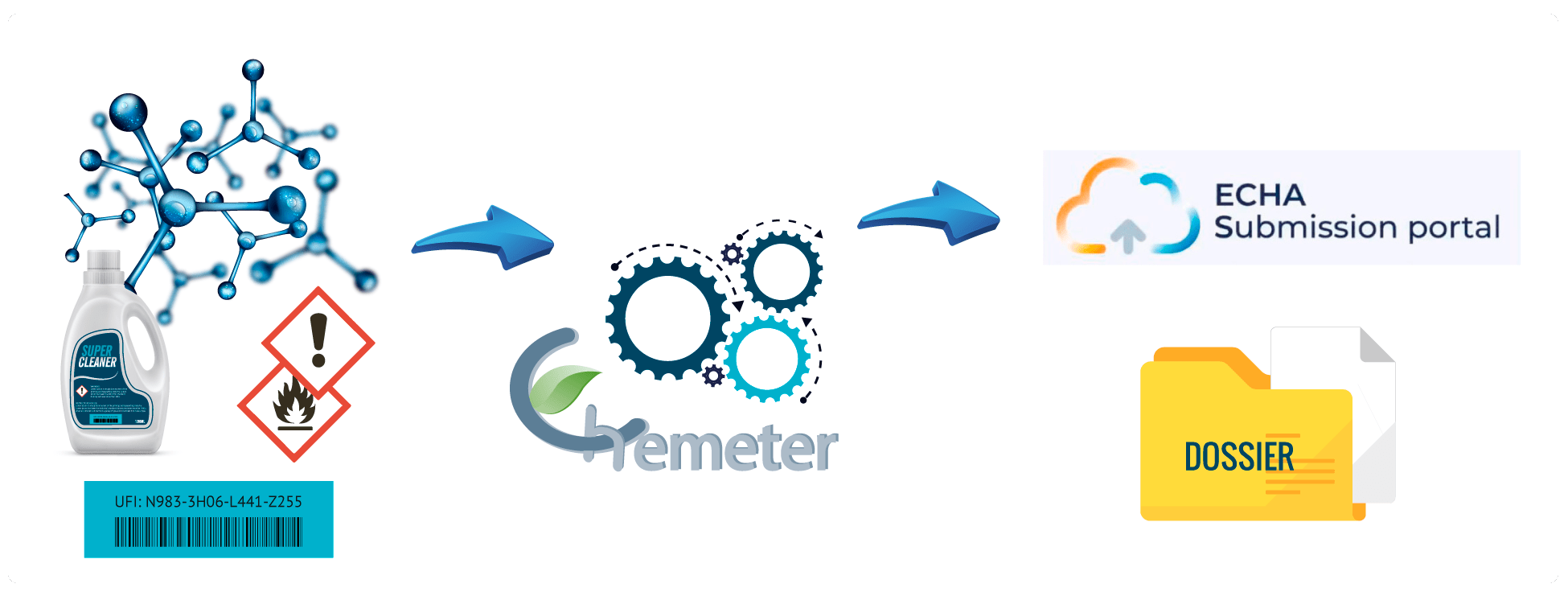
A few weeks ago, our teammates Pilar Ortiz-Alías and Nirav Banker were part of the SURFEX LIVE event with its webinar “Poison Centre Notifications (PCN): The UFI Code and European Harmonised Toxicological Notification”, in which they addressed the obligation, according to Article 45 of the CLP Regulation, of companies placing hazardous mixtures to provide information about it to the relevant national bodies, that make this information available to poison centres so that they can give advice to the citizens or medical personnel in the event of an emergency. The objective of this system, is to guarantee a high level of protection of human health and the free circulation of substances and mixtures within the EU.

From next july, the old number will no longer be operating and 800 250 250 becomes the only number enabled for calls to the poison centre linked to the National Institute of Medical Emergencies (INEM) in Portugal. The new number is free to ensure access to the service for all citizens.

16 years after its birth, Linkedin has over 600 million users worldwide. Along this time, it has grown from a mere bulletin board and job portal to become a platform that gives voice to the organization, and helps its members (employees and followers) to obtain information about the company, its products, services and any other updates.

A large number of chemical products (paints, sanitary products, detergents, etc) are placed on the EU market every year, and used by both the general public and professionals on a daily basis. Chemical products are in general considered safe when you use it properly, following their instructions. However, accidents happen and, in the case of these products, an unintentional exposure to chemicals may occur. When it happens, it is commendatory to develop a mechanism that provide both medical staff and emergency professionals immediate access to relevant information on the concrete chemical product.
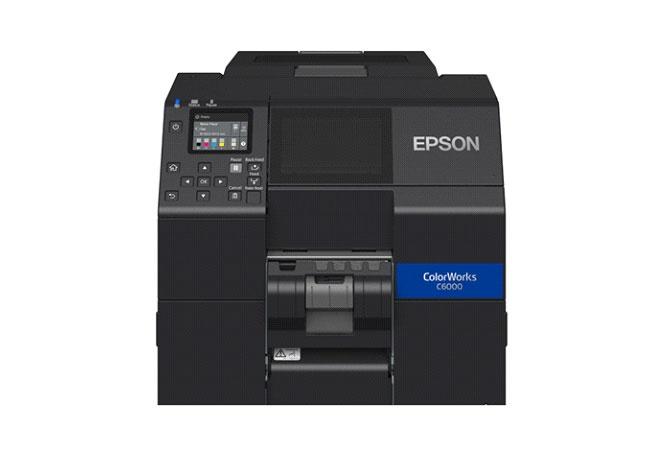
En Siam collaborates with Epson in its ColorWorks C6000 Series, and its models CWC6000P and CWC6000A, which allow to generate batches of color labels, on demand, and are equipped with a very intuitive software that guarantees a continuous flow labeling, allowing distribution to not slow down.

The entire SIAM team wants to thank the more than 3,000 companies and each of the more than 200,000 professionals in the Spanish chemical industry, who continue working day after day to fight the virus off so we can all be able to continue with our lives.
SIAM has joined five other riojan companies to obtain 100,000 masks and 5,000 white coats, which have been donated to the Riojan Health Service.
updated new on 14/05/2020: Due to the COVID-19 pandemic, Russia’s ministry of industry and trade announced to extend the deadline for existing chemical inventory notification. The old deadline was before May 1 of this year, now it has been postponed until August 1, 2020.
Russia’s ministry of industry and trade reminds the deadline until May 1st of 2020, to submit data to its national inventory of chemicals circulated in the Russian Federation or another member state of Eurasian Economic Union (Armenia, Belarus, Kazakhstan, Kyrgyzstan and Russia).

The European Chemicals Agency (ECHA) has just launched EUCLEFT, an online search tool for EU chemical legislation.
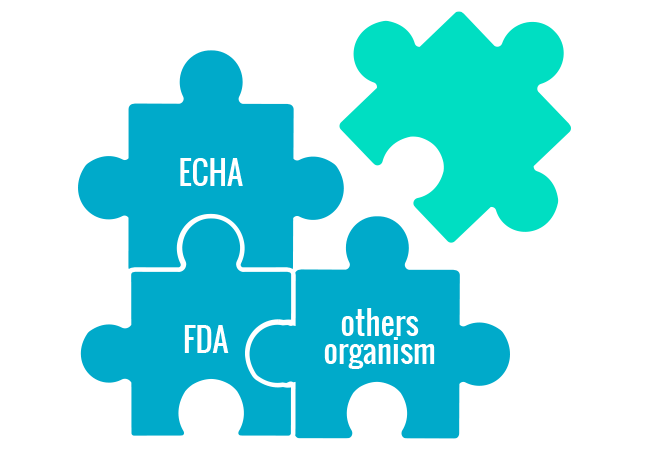
NOTE: The information will be updated as soos as we get news in order to keep you up to date about this topic.
Against the global crisis that is causing the coronavirus disease (COVID-19), many governments and other organizations have taken a series of actions to collaborate in the fight.
On 4 October 2019, the European Commission adopted a legislative proposal to classify titanium dioxide (TiO2) as a carcinogen (carc.2), leaving 2 months to present the relevant objections.

Regulation (EC) 2020/217, ATP 14 (Adaptation to Technical Progress) which amend, for the purposes of its adaptation to technical and scientific progress Regulation (EC) No 1272/2008 of the European Parliament and of the Council on classification, labelling and packaging of substances and mixtures, was published the last 18th February 2020.
(Legislation “breaks down” in the industry)
Inspectors from 29 countries revised a total of 3391 mixtures and 1620 companies from manufacturers, importers, downstream users and distributors in the sixth project of the EU-wide Enforcement Forum. Most of these mixtures were: washing and cleaning products, biocides, coatings, paints, paint thinners and strippers, adhesives and sealants, environmental fragrances and air freshener products, because they are very common and contain hazardous substances.
Next 12th February from 11:00 to 13:00, the European Chemical Agency (ECHA) will offer an English webinar about the latest and upcoming news for the European harmonised notification (Annex VIII). At the following link it is possible to find the agenda and the registration form.

The Candidate List of substances of very high concern (SVHCs) has been upgraded to 205 substances. The ECHA (European Chemical Agency) has just included 4 new substances; due to their toxicity to reproduction, endocrine disruption and a combination of other properties of concern. Our Chemeter software has already the current information added in order to create Safety Data Sheets (SDS) up to date.
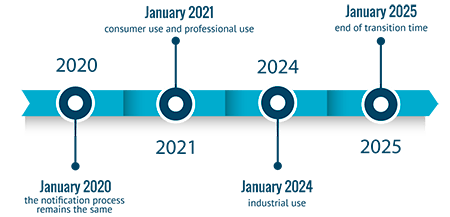
Last 10th January 2020, was published the definitive text of the Regulation (EU) 2020/11 (shall apply from 1 January 2020) which amends the Regulation 1272/2008 (CLP), specifically the Annex VIII. This annex refers to the harmonised information necessary to provide a sanitary response in case of emergency and the preventive measures.
On 29th November the resolution of the last meeting held between the Competent Authorities for REACH and CLP (CARACAL) was published. The European commission agreed on amending the text for the CLP Annex VIII, which refers to harmonised toxicological notifications and the use of the UFI code. The new draft includes several amendments where the most relevant ones are:
The trade bloc of the six Gulf Cooperation Council countries (Bahrain, Kuwait, Oman, Saudi Arabia, the United Arab Emirates and Qatar) expects to adopt the UN GHS (Globally Harmonized System) on classification and labelling of hazardous chemicals by mid next year.
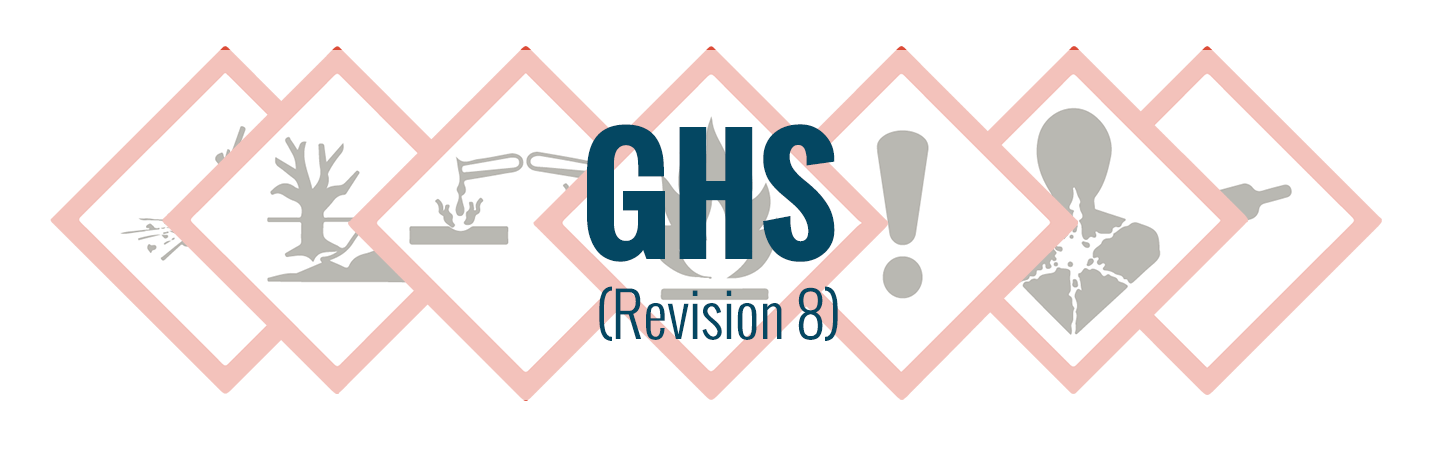
Although many countries are still updating and even implementing the seventh revised edition of the GHS, the Committee of Experts on the Transport of Dangerous Goods and on the Globally Harmonized System of Classification and Labeling of Chemicals has published the GHS (Revision 8), approved on December 7th, 2018, updating the seventh revised edition of the GHS, which include:
In SIAM we are committed to expansion and that our products reach as many customers as possible. That is why we are pleased to announce the collaboration with PU Consulting AB. This will allow customers in Denmark, Sweden, Norway, Iceland and the Baltic countries Estonia Lithuania and Latvia to have our programs closer, in order to generate and distribute their safety data sheets.
ECHA has published its ninth recommendation to the European Commission regarding substances of very high concern (SVHC) for the REACH Authorisation List.
The European Commission has launched a public consultation on an amended the European REACH Annex II. The main changes under discussion will affect the following topics:
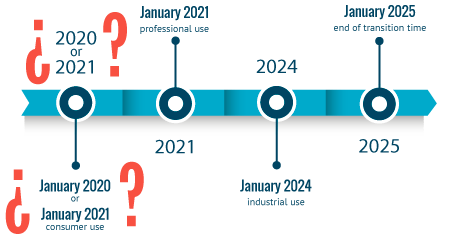
The European Commission has launched a public consultation on an amended Annex VIII’s draft. The main update is the change of the compliance date to submit information on hazardous chemical mixtures for consumer use postponing the date one year – 1st January 2021.
The Candidate List of substances of very high concern (SVHCs) has been upgraded to 201 substances. The ECHA (European Chemical Agency) has just included 4 new substances; due to their toxicity to reproduction, endocrine disruption and a combination of other properties of concern.
INTCF (Spanish Institute of Toxicology and Forensic Sciences), communicate to all the notifiers companies, the option to replace the previously notified ‘UFI’ of the mixture in Spain by the actual harmonized UFI, without the need to resubmit and paying for it.
ECHA publishes the “Report on Improvement of Quality of SDS (safe data sheet)”.